
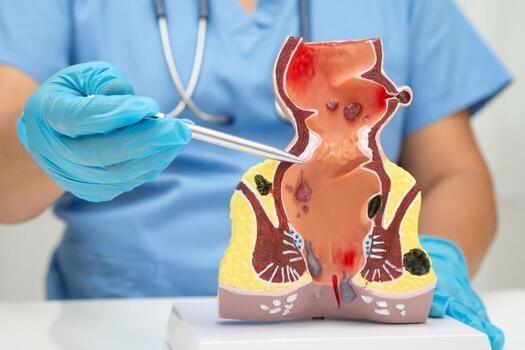
Perianal Abscess vs. Hemorrhoid: How to Know the Difference
Pain, swelling, or a lump near the anus can be uncomfortable and worrying. According to a leading General and Laparoscopic surgeon in Mumbai, Dr. Ashish Dhadas, Many people immediately assume that these issues are hemorrhoids (piles), but in some cases, the problem could be a perianal abscess, which is more serious and needs urgent medical treatment. Although both conditions occur around the anal area, they differ greatly in cause, symptoms, and treatment.
Understanding the difference between a perianal abscess and hemorrhoids can help you seek timely care and avoid complications.
What Is a Perianal Abscess?
Dr. Ashish Dhadas, leading General and Laparoscopic Surgeon at Samata Hospital, Mumbai explains that perianal abscess is a collection of pus caused by a bacterial infection near the anus. It usually develops when small glands inside the anal canal become blocked and infected. The infection leads to swelling, inflammation, and severe pain.
Perianal abscesses can worsen quickly and do not heal on their own. If ignored, the infection can spread or form an anal fistula, a tunnel between the anal canal and the skin, which often requires surgery.
Common risk factors include:
- Diabetes or weak immunity
- Inflammatory bowel disease
- Poor hygiene or local injury
- Previous anal infections
According to Dr. Ashish Dhadas at Samata Hospital, early treatment of a perianal abscess is crucial to prevent long-term problems and repeated infections.
What Are Hemorrhoids (Piles)?
Dr. Ashish Dhadas explains that Hemorrhoids are swollen veins in the lower rectum or around the anus. They develop due to increased pressure in the rectal veins, commonly caused by:
- Chronic constipation and straining
- Sitting for long periods
- Obesity
- Pregnancy
Hemorrhoids may be internal (inside the rectum) or external (around the anal opening). While they can be uncomfortable and sometimes painful, hemorrhoids are usually not dangerous and often improve with simple treatments.
How Do the Symptoms Differ?
Although both conditions can cause pain and swelling, the nature of symptoms is quite different.
Pain
- Perianal abscess: Causes severe, constant, throbbing pain. The pain often worsens while sitting, walking, or passing stools and increases rapidly over a few days.
- Hemorrhoids: Pain is usually mild to moderate and mostly felt during bowel movements. External hemorrhoids may be painful if a clot forms, but the pain is generally less intense than an abscess.
Swelling and Appearance
- Perianal abscess: Appears as a red, warm, tender swelling near the anus that grows quickly. The skin may feel tight and very sensitive.
- Hemorrhoids: Appear as soft or firm lumps around the anus. Internal hemorrhoids may not be visible but can cause bleeding.
Signs of Infection
- Perianal abscess: Often associated with fever, chills, fatigue, and pus discharge.
- Hemorrhoids: Do not cause fever or pus.
Bleeding
- Perianal abscess: Bleeding is uncommon.
- Hemorrhoids: Bright red bleeding during or after bowel movements is common.
Simple Comparison
| Feature | Perianal Abscess | Hemorrhoids |
| Main cause | Infection | Swollen veins |
| Pain | Severe, constant | Mild to moderate |
| Fever | Common | Absent |
| Pus discharge | Common | Absent |
| Bleeding | Rare | Common |
| Urgency | Needs immediate treatment | Usually non-urgent |
How These Conditions Progress
Perianal Abscess
A perianal abscess may begin as mild discomfort or pressure near the anus. Within a short time, pain, swelling, and fever can develop. If not treated promptly, the abscess may burst or lead to fistula formation, causing repeated infections and prolonged discomfort.
Hemorrhoids
Hemorrhoids usually worsen gradually. Early symptoms include itching, mild pain, or bleeding. With continued straining or constipation, they may become more painful or prolapse, but serious complications are uncommon if treated early.
How Doctors Diagnose the Problem
Most of the time, a physical examination is enough to identify the condition.
- Perianal abscess: Doctors look for redness, warmth, swelling, and tenderness. Imaging tests may be used if the abscess is deep.
- Hemorrhoids: Diagnosed through visual inspection, digital examination, or a simple scope test for internal piles.
Correct diagnosis is important because the treatment approach is completely different.
Treatment Options
Treatment for Perianal Abscess
A perianal abscess requires surgical drainage to remove the pus and control the infection. Antibiotics alone are not sufficient. Delaying treatment can result in worsening infection or fistula formation.
At Samata Hospital, Dr. Ashish Dhadas emphasizes early drainage to ensure quick pain relief and reduce the risk of complications.
Treatment for Hemorrhoids
Most hemorrhoids improve with conservative measures such as:
- High-fiber diet and adequate fluids
- Stool softeners
- Ointments and warm sitz baths
- Minimally invasive procedures like rubber band ligation (if needed)
Surgery is required only in advanced cases.
When Should You See a Doctor Immediately?
Seek urgent medical care if you experience:
- Severe anal pain with fever
- Rapidly increasing swelling
- Pus discharge near the anus
- Pain that does not improve within a few days
- Difficulty sitting or walking
These symptoms strongly suggest a perianal abscess.
Final Takeaway
Although perianal abscess and hemorrhoids affect the same area, they are very different conditions. A perianal abscess is an infection that causes severe pain, fever, and swelling and needs urgent treatment. Hemorrhoids are swollen veins that usually cause bleeding, itching, or mild pain and often respond well to simple care.
If you are unsure about your symptoms, avoid self-diagnosis. Early evaluation by an experienced surgeon like Dr. Ashish Dhadas at Samata Hospital can lead to faster recovery and prevent unnecessary complications.
“Also Read: Gallbladder Pain? Here’s When You Should Visit a Specialist in Dombivli“
➝https://www.samatahospital.com/gallbladder-pain-heres-when-you-should-visit-a-specialist-in-dombivli/






No Comments
Sorry, the comment form is closed at this time.